When Foundation Lifting Is a Better Option Than Repair
People searching for foundation lifting often want to stabilize or level their home when repair isn't enough, and local contractors can provide effective solutions.
Understanding when foundation lifting is a better option than repair can be crucial for property owners facing uneven floors, cracked walls, or shifting structures. If these signs sound familiar, it’s natural to seek solutions that restore stability without unnecessary disruption. Local contractors specializing in foundation lifting can assess the specific needs of a property and determine whether this approach offers a more effective, long-term fix compared to traditional repair methods. Staying informed about these options helps property owners make confident decisions that protect their investment and ensure structural integrity.
For many property owners in the area, exploring foundation lifting is a practical step when dealing with significant foundation settlement or unevenness that warrants more than superficial fixes. Foundation lifting can sometimes address underlying issues more comprehensively, especially when the goal is to stabilize a shifting foundation and prevent future damage. Local service providers are equipped to evaluate the condition of a foundation and recommend the most appropriate course of action, whether that’s lifting or repairing. Keep reading to learn more about how foundation lifting might be the right choice for your property’s needs.
- Severe foundation settlement - when the foundation has significantly shifted or sunk, foundation lifting may be a more effective solution than repair to restore stability.
- - in cases where the structure shows signs of uneven floors or cracked walls, local contractors can perform lifting to correct the foundation’s position.
- Uneven or sloping floors - when floors are noticeably uneven due to shifting, foundation lifting can realign the structure without extensive repairs.
- Persistent foundation cracks - cracks that continue to grow or appear in different areas might indicate the need for lifting to prevent further damage.
- Post-construction settling - after new construction, if the foundation settles unevenly, local service providers can use lifting techniques to address the issue efficiently.

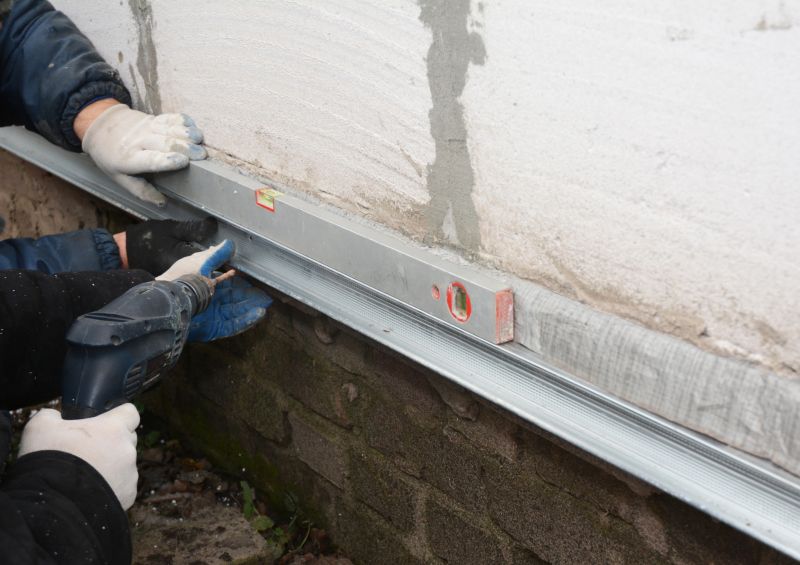
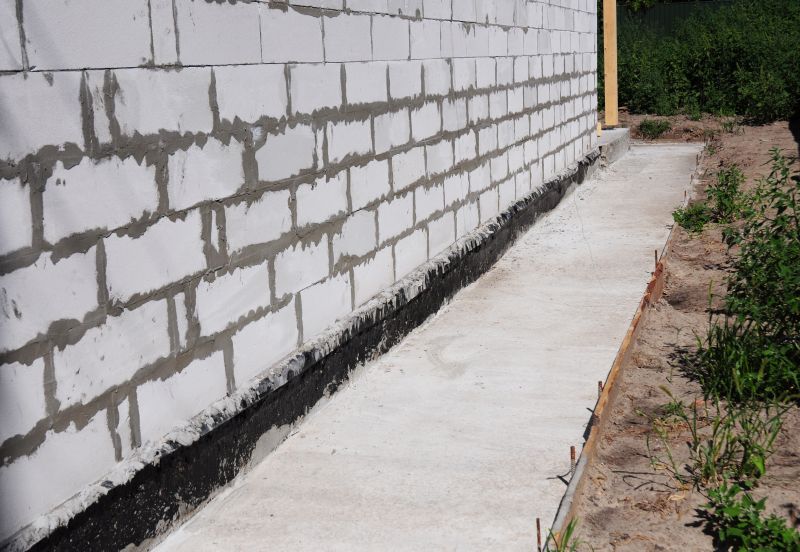
When homeowners search for information about foundation lifting versus repair, they are often trying to understand which approach is more suitable for addressing significant foundation issues. Typically, this search reflects concerns about uneven or sinking floors, cracked walls, or doors and windows that no longer close properly. In many cases, property owners want to know whether a more invasive, structural lift can provide a long-lasting solution compared to traditional repair methods, which might involve patching or filling cracks. Understanding when foundation lifting is a better option than repair helps homeowners make informed decisions about the most effective way to stabilize their property and prevent further damage.
Foundation problems are most common in properties built on expansive soils, areas with poor drainage, or regions prone to ground movement. These issues often manifest as uneven floors, cracked basement walls, or misaligned doors and windows, indicating that the foundation has shifted or settled over time. The types of properties that typically encounter these challenges include older homes, commercial buildings, and even newer constructions that may have experienced soil movement or inadequate support. When these signs appear, property owners often consider whether foundation lifting could restore stability more effectively than traditional repair methods, which may only address surface-level symptoms rather than underlying causes.
In many cases, foundation lifting is considered when the damage involves significant settlement or unevenness that cannot be adequately corrected through patching or crack filling. This approach is especially relevant when the foundation has sunk enough to cause structural instability or noticeable cosmetic issues. Local service providers specializing in foundation lifting can assess whether the property’s specific conditions warrant a lift, which involves raising the foundation back to its original position using specialized equipment. It is important for homeowners to understand that foundation lifting is typically used for more severe cases where traditional repair methods would not provide a long-term solution, making it a strategic choice for restoring structural integrity.
Understanding when foundation lifting is a better option than repair involves recognizing the extent and nature of the foundation issues. Property owners should consider factors such as the severity of settlement, the presence of large cracks, and the overall stability of the structure. Local contractors who specialize in foundation lifting can evaluate these conditions and recommend the most appropriate solution. For many homeowners facing substantial foundation movement, lifting provides a way to correct the problem comprehensively, rather than merely covering up symptoms. Connecting with experienced service providers ensures that the chosen method aligns with the property’s needs, helping to restore safety and stability in the long run.
Foundation stabilization projects involve techniques similar to foundation lifting, requiring precise assessment and the use of specialized equipment by local contractors.
Concrete leveling and slab jacking are related services that utilize lifting methods to correct uneven surfaces, often performed by local service providers experienced in foundation work.
Structural repair and reinforcement projects often require planning and tools similar to foundation lifting, especially when addressing settling or shifting issues.
Soil stabilization and compaction work shares planning and equipment needs with foundation lifting, focusing on improving ground support before or during lifting procedures.
Pier and beam foundation services involve lifting and adjusting supports, aligning closely with foundation lifting techniques used to correct foundation movement.
Retaining wall installation and repair can involve soil and ground assessment skills akin to those used in foundation lifting, especially when addressing ground movement concerns.
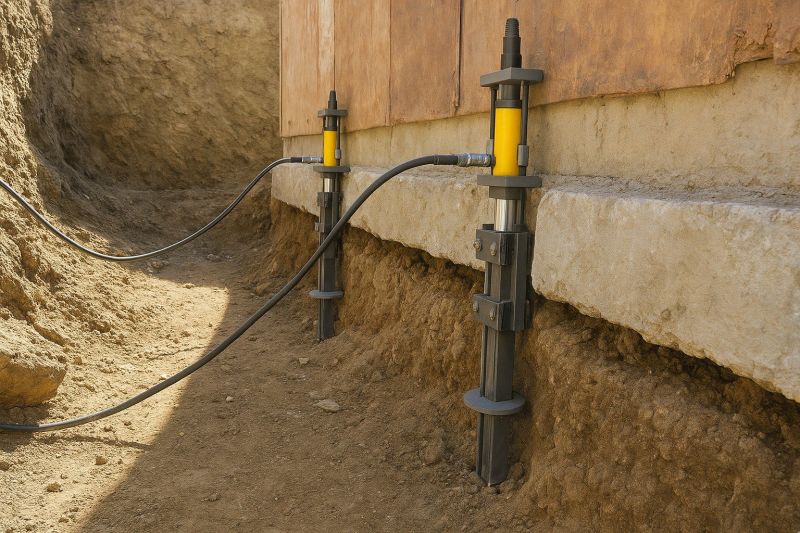
When evaluating foundation lifting services, it is important to consider the experience of local contractors with similar projects. Homeowners should inquire about the types of foundation issues the service providers have addressed in the past and whether they have successfully handled situations that resemble their own. A contractor's familiarity with foundation lifting techniques and understanding of the specific soil conditions and structural challenges in the area can influence the quality and reliability of the work. By reviewing the background and scope of previous projects, homeowners can gain confidence in a contractor’s ability to determine if foundation lifting is appropriate and to execute the job effectively.
Clear, written expectations are essential when comparing local service providers for foundation lifting. Homeowners should seek detailed proposals that outline the scope of work, the methods to be used, and the anticipated outcomes. Transparent communication about what the project entails helps ensure that everyone is aligned and reduces the risk of misunderstandings. Service providers who provide comprehensive, easy-to-understand documentation demonstrate professionalism and a commitment to clarity, which can be a valuable indicator of their approach to customer service and project management.
Reputable references and good communication are key factors in selecting the right local contractor for foundation lifting. Homeowners are encouraged to ask for references from previous clients who had similar work done and to follow up with those references to learn about their experiences. Additionally, a contractor’s responsiveness and willingness to answer questions during the initial consultation can reveal their level of professionalism and dedication to customer satisfaction. Reliable service providers prioritize open dialogue and transparency, making it easier for homeowners to make informed decisions about when foundation lifting is the best course of action for their property.
Property owners often search for when foundation lifting is a better option than repair when they are planning practical projects around their homes and businesses. Local pros provide Foundation Lifting services for everyday jobs and straightforward project options.
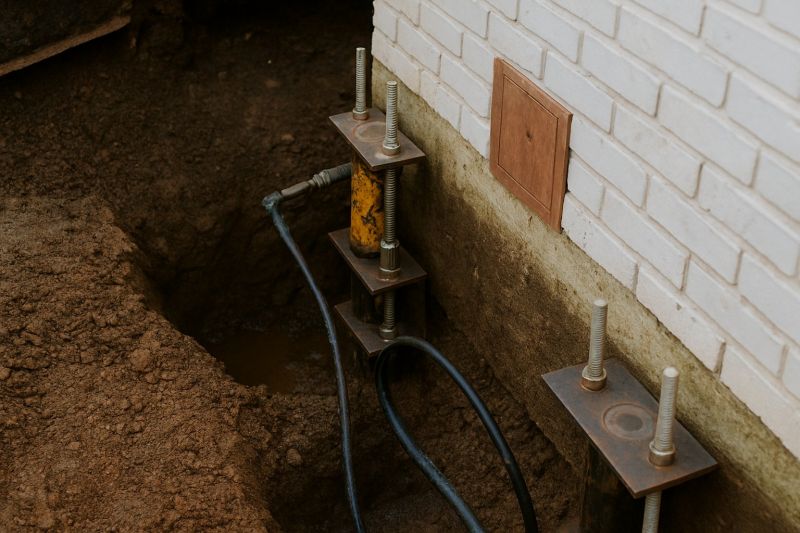

When property owners notice uneven floors, cracked walls, or doors and windows that no longer close properly, they might consider foundation lifting as a practical solution. In many cases, these signs indicate that the foundation has shifted or settled over time, making simple repairs insufficient to address the root cause. When foundation lifting is a better option than repair, it can help restore the foundation's original position, potentially preventing further structural issues and avoiding more extensive, costly repairs down the line. Local contractors experienced in foundation lifting can evaluate these signs and determine whether this approach is appropriate, offering a way to stabilize the property effectively.
Homeowners and property owners often turn to foundation lifting services when traditional repair methods won’t resolve underlying problems caused by soil movement or uneven settling. If the foundation has experienced significant movement or if there’s a need to lift and level a structure without extensive reconstruction, foundation lifting may be the most suitable option. Local service providers can handle these projects, providing solutions that help maintain the property's stability and integrity. Consulting with local pros can ensure that the right approach is taken based on the specific conditions of the property, making foundation lifting a viable choice when more straightforward repairs might fall short.
When is foundation lifting a better option than repair? Foundation lifting is typically a better choice when the foundation has experienced significant sinking or uneven settling that cannot be effectively stabilized through traditional repair methods alone.
How can I tell if foundation lifting is necessary instead of repair? Signs such as large or persistent cracks, uneven floors, and doors or windows that don’t close properly may indicate that foundation lifting by local contractors is needed to restore stability.
What situations make foundation lifting more suitable than repair? Foundation lifting is often recommended when there is extensive settlement or structural movement that requires raising and leveling the foundation rather than just patching or reinforcing cracks.
Are there specific types of foundation issues that benefit from lifting rather than repair? Yes, issues like severe unevenness, significant sinking, or structural misalignment are better addressed with foundation lifting services provided by experienced local contractors.
When should foundation lifting be considered over repair options? Foundation lifting should be considered when the foundation’s condition involves substantial movement or sinking that cannot be effectively corrected through repair methods alone, making lifting a more appropriate solution.
Assessing foundation movement - property owners can evaluate signs of uneven floors or cracked walls to determine if foundation lifting is appropriate instead of traditional repair methods.
Addressing significant settling issues - when a property experiences substantial sinking or shifting, foundation lifting by local contractors can restore stability more effectively than patch repairs.
Correcting structural misalignments - in cases where walls or door frames are severely out of square, foundation lifting can realign the structure without extensive rebuilding.
Preventing future damage - property owners can consider foundation lifting services when early signs of shifting appear, helping to avoid more costly repairs later on.
If you are thinking about when foundation lifting is a better option than repair for a property, this guide is meant to help you understand this topic, the typical project types, and how different options might fit your plans.
When you are ready, you can use the quote form on this page to share a few details about your project. From there, local pros can review the basics and follow up with options that match what you have in mind.