Common Methods Used for Foundation Raising and Leveling
People seeking foundation raising and leveling aim to stabilize and straighten their homes, and local contractors can provide effective methods to restore structural integrity.
Understanding the common methods used for foundation raising and leveling can help property owners in the area make informed decisions about maintaining their homes. Foundations may settle or shift over time due to soil conditions, moisture changes, or other factors, leading to uneven floors, cracks, or structural concerns. Exploring these techniques provides practical insight into how experienced local contractors address foundation issues, ensuring that homeowners can better evaluate their options and recognize when professional assistance might be needed.
For those considering foundation raising and leveling, knowing the different approaches available can clarify the scope of work involved and the solutions that are most effective for specific situations. Local service providers offer a range of methods tailored to different types of foundations and soil conditions, helping to restore stability and levelness. Continuing to learn about these common techniques can empower property owners to connect with the right local experts for reliable, quality foundation services.
- - homeowners experiencing uneven or sinking concrete slabs may need this method, which local contractors use to lift and level the foundation with a slurry mixture.
- - properties with foundation settlement issues often require underpinning, where service providers install piers to stabilize and lift the foundation.
- - when concrete slabs shift or settle, local pros can inject a grout beneath the slab to restore proper elevation and prevent further movement.
- - for deeper foundation problems, contractors may use these piers to transfer the load to stable soil, raising and stabilizing the structure.
- - in cases of significant foundation movement, service providers implement bracing and underpinning techniques to restore levelness and support the foundation.
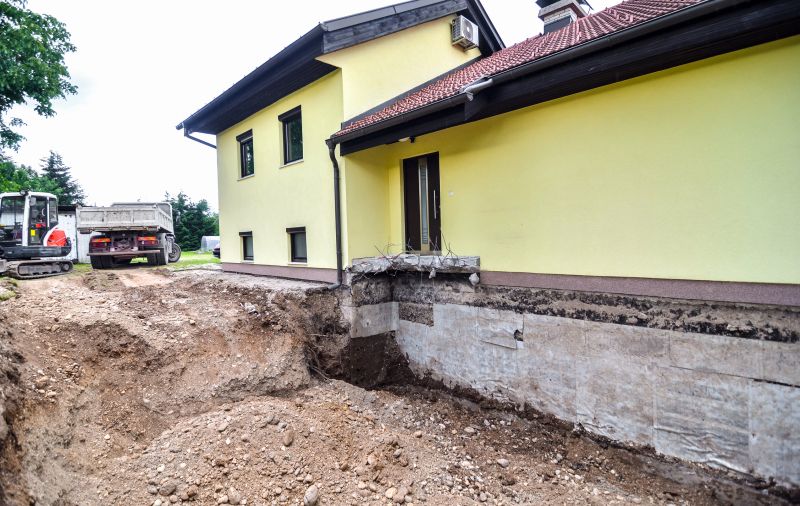
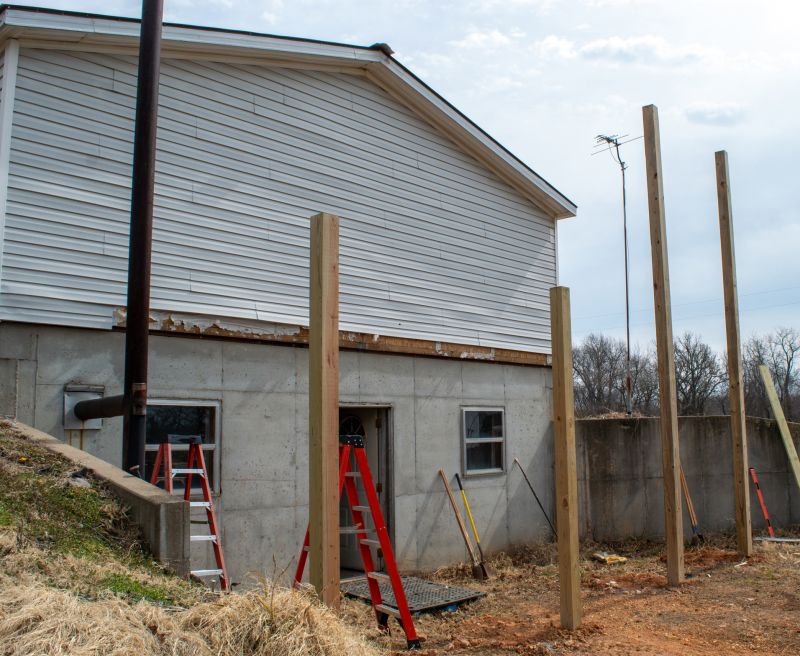

When homeowners search for information about foundation raising and leveling, they are often looking to understand how to address issues like uneven floors, cracks in walls, or visible settling of their property. These concerns usually relate to the stability and safety of a building’s foundation, which can be affected by soil conditions, moisture levels, or age-related wear. People exploring this topic are typically planning repairs or improvements to maintain the structural integrity of their homes or properties. Understanding common methods used for foundation raising and leveling helps homeowners grasp the options available and how local contractors can assist in implementing effective solutions.
Foundation raising and leveling are connected to a variety of property types, including residential homes, commercial buildings, and even some smaller structures like garages or sheds. The most frequently encountered properties are single-family houses, especially those built on expansive clay soils or in areas prone to shifting ground. These properties often experience uneven settling over time, leading to issues such as sloped floors or cracked walls. Commercial properties with deep foundations may also require specialized methods for raising or leveling to prevent costly damage or operational disruptions. Recognizing the type of property involved helps homeowners understand what techniques local service providers might recommend.
Common methods used for foundation raising and leveling generally fall into two main categories: underpinning techniques and soil stabilization methods. Underpinning involves installing additional support beneath the existing foundation to lift and stabilize it, often using piers or piles driven deep into stable soil layers. Soil stabilization, on the other hand, includes injecting materials like polyurethane foam or grout to fill voids and lift the foundation gradually. These approaches are selected based on the specific conditions of the property, such as the extent of settling, soil type, and accessibility. Local contractors skilled in foundation raising and leveling can assess these factors and determine the most appropriate method to restore a level, stable foundation.
Understanding these common methods helps homeowners see how local service providers fit into the process of foundation repair. Professional contractors bring experience in evaluating foundation issues and applying the right techniques to address them effectively. By choosing specialists familiar with the common methods used for foundation raising and leveling, property owners can ensure their repair projects are handled with expertise tailored to their specific needs. Whether it involves installing underpinning piers or injecting stabilization materials, these local pros play a key role in restoring the safety and functionality of a property’s foundation, helping homeowners protect their investment and maintain peace of mind.
Foundation repair projects often involve similar skills and tools used in raising and leveling foundations, requiring precise assessment and stabilization techniques.
Concrete lifting and leveling services utilize comparable methods like mudjacking or foam injection, which are also common in foundation raising processes.
Basement underpinning projects involve strengthening and supporting structures beneath the ground, aligning closely with foundation stabilization methods.
Structural reinforcement work enhances building stability and often employs similar planning and material handling as foundation leveling tasks.
Soil stabilization and improvement projects share the need for understanding ground conditions and applying techniques that support foundation integrity.
Retaining wall construction requires expertise in soil and foundation interaction, making it a related area where local contractors can apply similar skills.
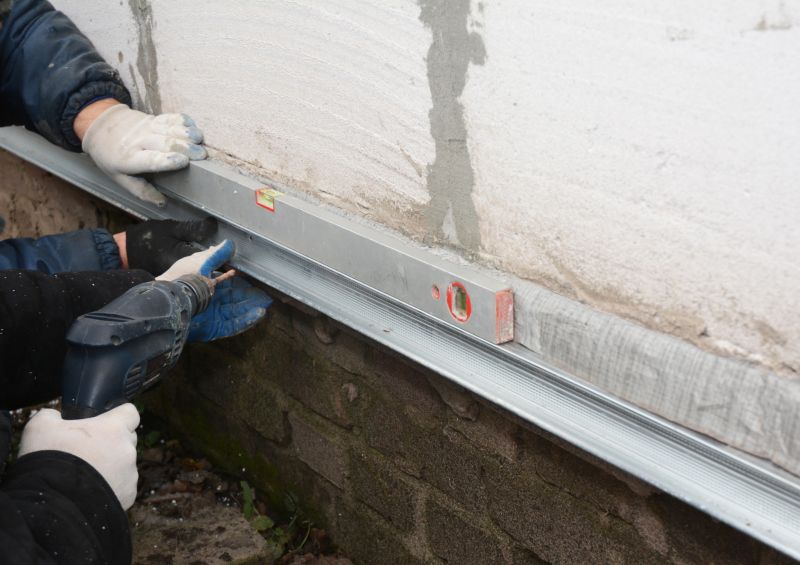
When evaluating service providers for foundation raising and leveling, it’s important to consider their experience with similar projects. Homeowners should look for local contractors who have a proven track record of successfully completing foundation adjustments comparable to the scope of their own needs. This experience often translates into a better understanding of the common methods used for foundation raising and leveling, as well as the potential challenges that can arise. Asking for details about past projects can help gauge whether a contractor has the relevant expertise to handle the specific requirements of the job.
Clear, written expectations are a key factor in choosing the right service provider. Homeowners should seek out local pros who can provide detailed descriptions of the methods they plan to use, along with a comprehensive outline of what the project will entail. Well-documented expectations help ensure that both parties are aligned on the scope of work, the process involved, and the anticipated outcomes. This clarity can minimize misunderstandings and create a foundation for a smooth working relationship throughout the project.
Reputable references and effective communication are essential when comparing foundation raising and leveling specialists. Homeowners should inquire about references from previous clients who had similar work done, as this can provide insight into the quality and reliability of the service provider. Additionally, good communication-such as prompt responses to questions and transparent updates-can make the entire process more manageable. Choosing local contractors known for their professionalism and clear communication can contribute to a more confident and satisfying experience when addressing foundation concerns.
Property owners often search for common methods used for foundation raising and leveling when they are planning practical projects around their homes and businesses. Local pros provide Foundation Raising and Leveling services for everyday jobs and straightforward project options.
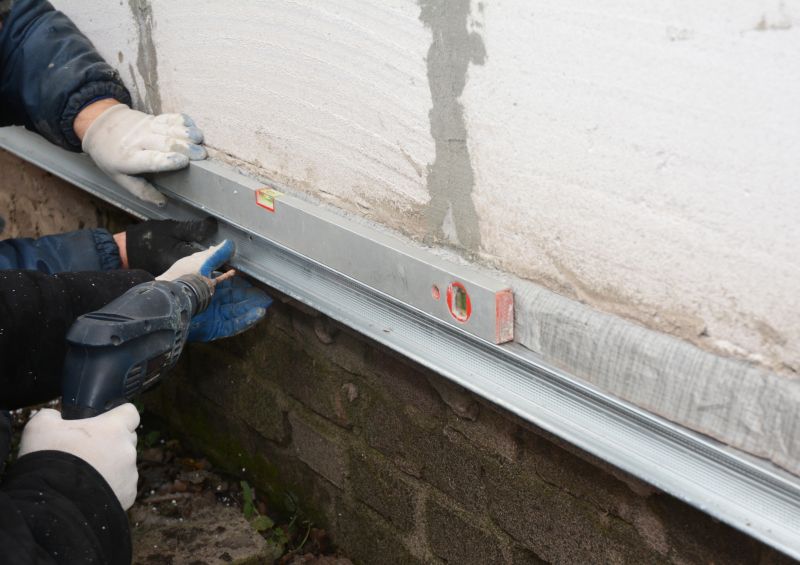
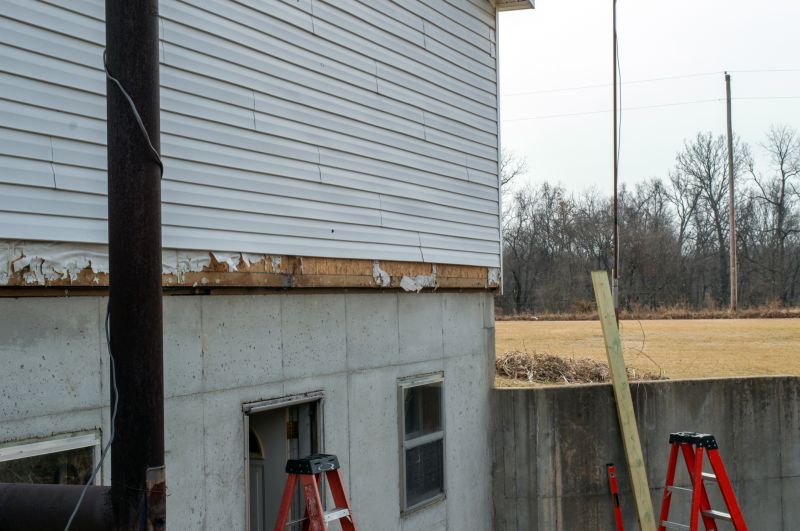
Foundation raising and leveling are common solutions for addressing uneven or settling properties, especially in areas where soil conditions or weather patterns cause shifts over time. Property owners often seek information about the most effective methods used by local contractors to restore stability and ensure a level foundation. These techniques typically involve specialized equipment and materials designed to lift and stabilize the structure, preventing further damage and maintaining the property's integrity.
Some of the most frequently employed methods include underpinning, slab jacking, and piering systems. Underpinning involves installing additional support beneath the existing foundation to increase stability, while slab jacking uses a grout mixture to lift and level sunken concrete slabs. Piering systems utilize steel piers driven into stable soil layers beneath the foundation to provide a solid support point. Local service providers experienced in foundation raising and leveling can evaluate the specific needs of each property and recommend the most suitable approach based on the condition of the foundation and soil.
What are common methods used for foundation raising and leveling? Local contractors often use techniques such as mudjacking, pier and beam adjustments, and underpinning to raise and level foundations effectively.
How does mudjacking work for foundation leveling? Mudjacking involves injecting a mixture of soil, cement, and other materials beneath the foundation to lift and stabilize it.
What is underpinning in foundation raising? Underpinning involves installing additional support beneath the foundation, such as piers or piles, to restore stability and correct unevenness.
Are pier and beam adjustments a common method for foundation leveling? Yes, many local service providers use pier and beam systems to lift and level foundations, especially in homes with raised or crawl-space structures.
Can local pros customize foundation raising methods based on the type of foundation? Absolutely, experienced contractors assess the foundation type and soil conditions to determine the most suitable raising and leveling methods.
If you are thinking about common methods used for foundation raising and leveling for a property, this guide is meant to help you understand this topic, the typical project types, and how different options might fit your plans.
When you are ready, you can use the quote form on this page to share a few details about your project. From there, local pros can review the basics and follow up with options that match what you have in mind.